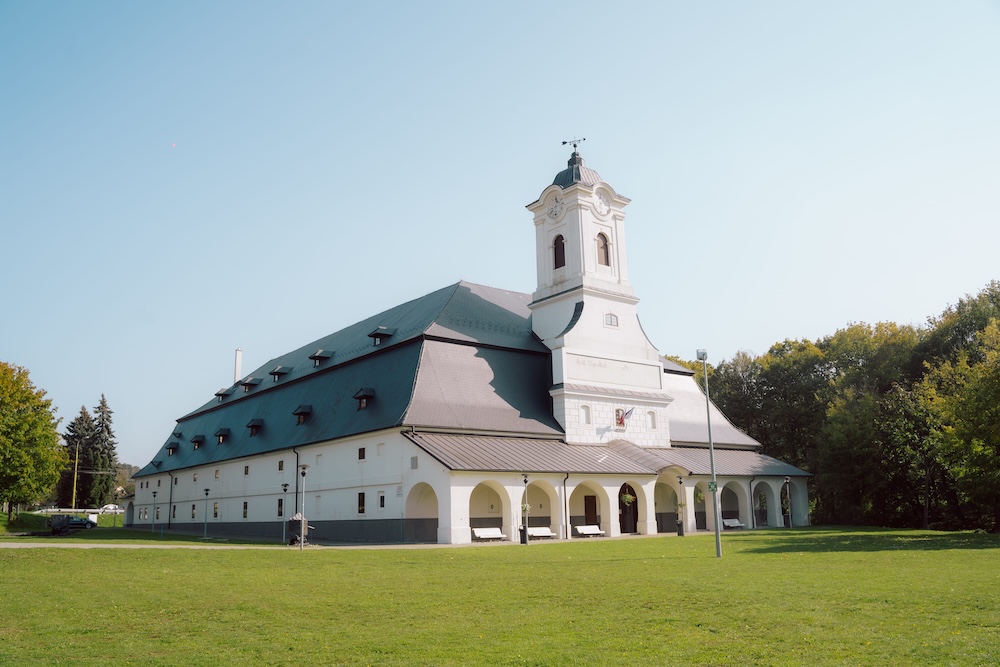


The open-air ethnographic exhibition of the Museum of Ukrainian Culture in Svidník - Svidník Open-Air Museum – one of the most significant open-air museums in north-eastern Slovakia. It covers an area of approximately ten hectares in the immediate vicinity of the Svidník amphitheatre. It was opened to the public in 1982 and, through a combination of original and reconstructed buildings, provides an insight into the way of life of the Rusyns and Ukrainians who lived in Slovakia in past historical periods.
Visitors can learn about the traditional architecture, housing, farming, crafts and spiritual life of the region’s inhabitants. The individual buildings are arranged to create a picture of a typical village in north-eastern Slovakia.
Folk houses and traditional furnishings
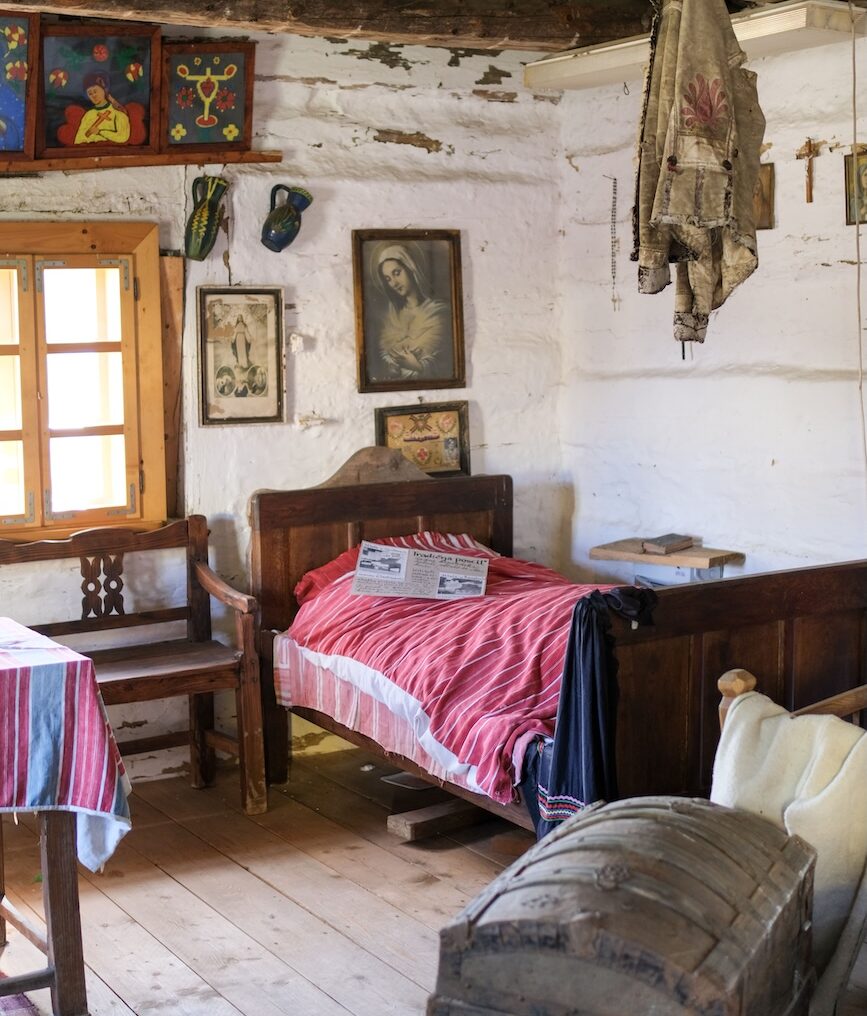
The exhibition centres on residential houses, which represent the most common types of traditional architecture in the region. The buildings were relocated to the site from various villages, then professionally restored and furnished to reflect the original way of life of their inhabitants.
Inside, visitors can see traditional folk furniture, kitchen utensils, pots and pans, textiles, tools and everyday objects. The displays also include examples of folk art and handicrafts. The houses therefore do not merely appear as empty historic buildings, but provide an authentic insight into how families in this region lived, prepared food, worked and spent their free time.
The exhibition also highlights the modest living conditions of the local population, the close connection between people and nature, and the importance of family, agriculture and traditional customs in everyday life.
Farm buildings and agriculture
In addition to residential houses, the open-air museum also features various types of traditional farm buildings. Visitors can explore barns, pigsties, granaries, haylofts, cellars, wells and other smaller structures that were an integral part of village settlements in days gone by.
These buildings house an exhibition of traditional agricultural tools and equipment used for tilling the soil, harvesting crops, transporting materials and storing grain. The exhibition includes various types of carts, ploughs, harrows, wooden chaff-separators, grain baskets and other farming implements.
These objects illustrate the arduous nature of agricultural work in an era when most tasks were carried out by hand or with the help of farm animals. They also bear witness to the skill of local craftsmen, who made many of the tools and implements themselves.
A watermill, a sawmill and other engineering monuments
A significant part of the site consists of technical and farm buildings. Among the most interesting structures are the watermill, the windmill and the water-powered sawmill. They are situated mainly near the stream, where the natural conditions allow their original functioning to be demonstrated.
These structures demonstrate how the region’s inhabitants harnessed the power of water and wind for processing grain, cutting timber and other activities. At the same time, these technical structures demonstrate that even in a traditional rural setting, there were ingenious devices designed to make people’s daily work easier.
The wooden church in Nová Polianka
One of the most valuable buildings in the open-air museum is a wooden Orthodox church dating from 1766, which was moved from the village of Nová Polianka, also known by its original name, Mergeška. The church is a significant example of traditional Eastern Orthodox sacred architecture.
Its interior is adorned with rich artistic decorations that illustrate the religious traditions and spiritual life of the Rusyns and Ukrainians in north-eastern Slovakia. The wooden church is one of the most striking features of the entire complex and also one of the most popular attractions in the ethnographic exhibition.
Source: OOCR RŠ
Source of photographs: OOCR RŠ
Map
Information
The Ukrainian Cultural Open-Air Museum is situated in Svidník, right next to the amphitheatre, and covers an area of approximately ten hectares.
Here you can learn about the traditional way of life of the Rusyns and Ukrainians in Slovakia through authentic folk houses, barns, granaries, cellars, wells and other farm buildings. The exhibition is complemented by period furniture, agricultural tools, a watermill and a windmill, a water-powered sawmill and a wooden Orthodox church from Nová Polianka dating from 1766.
The site offers a pleasant walk in the countryside, whilst also providing a comprehensive insight into the traditional architecture, crafts, way of life and spiritual life of the people of north-eastern Slovakia.