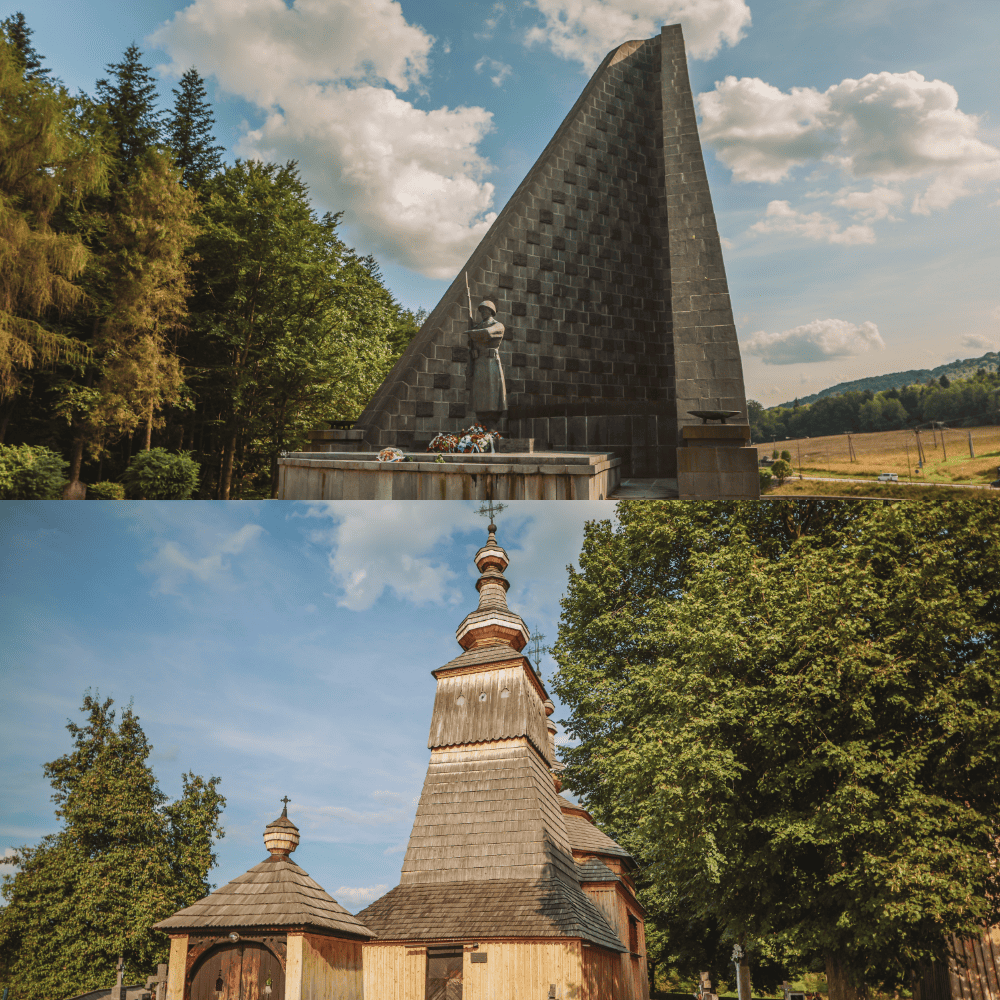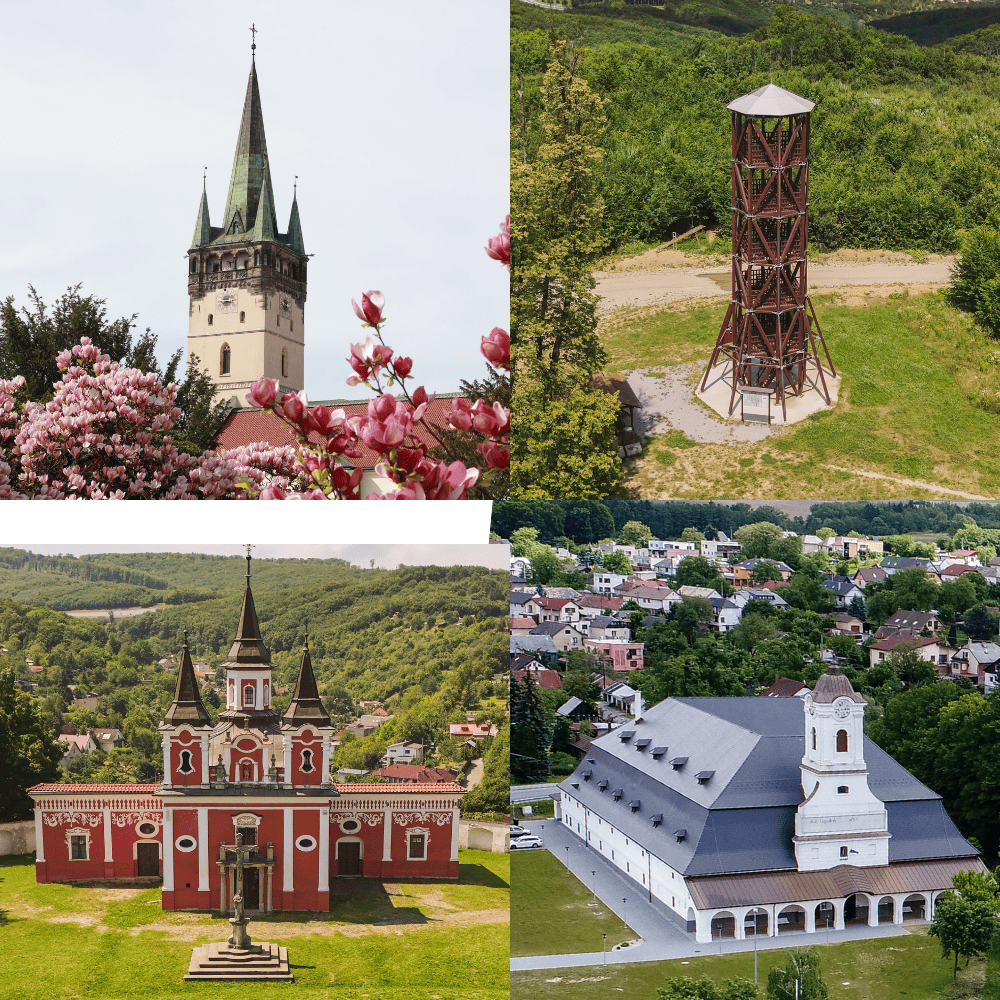
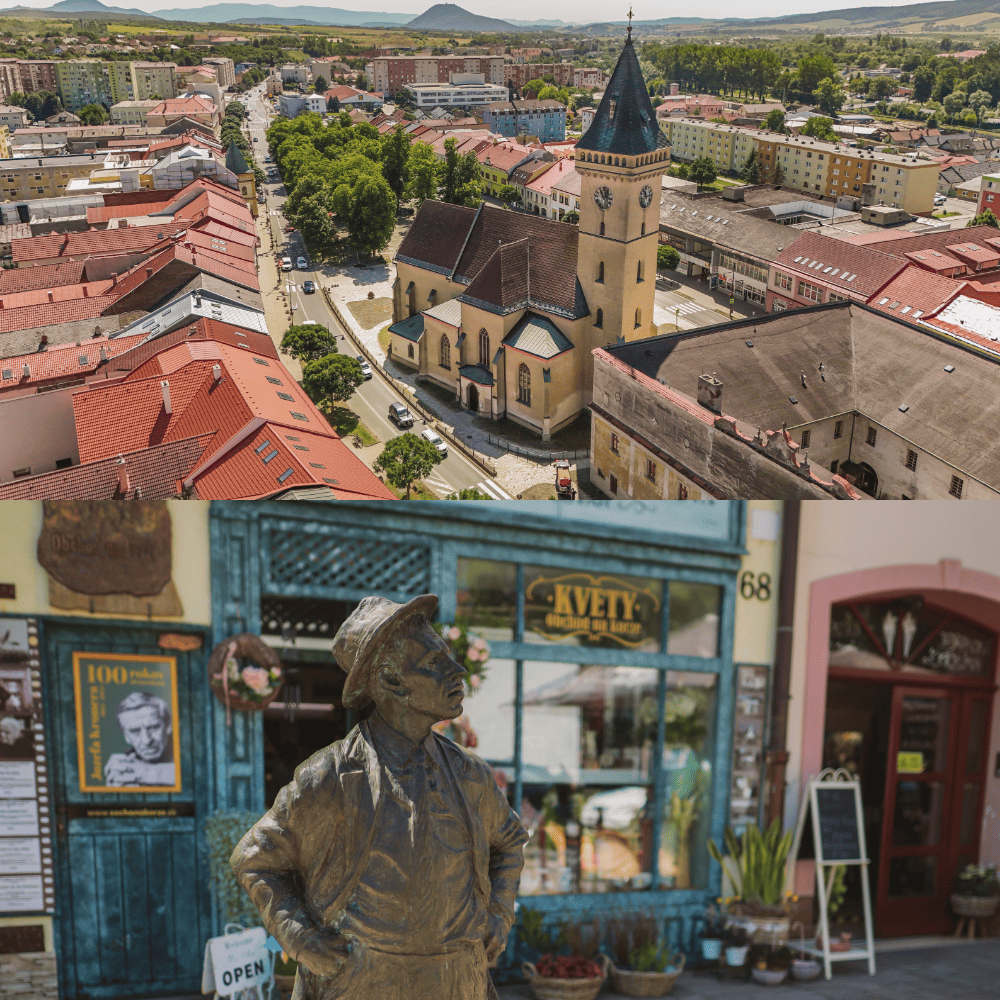

The town Sabinov lies on the river floodplain Torysa, between the mountain ranges Bachureň and Čergov, at an altitude of approximately 324 metres.
The first written reference to Sabinov dates from the year 1248. A significant milestone was the year 1299, when the king Andrew III. granted town privileges. In the year 1405 Sabinov became a free royal town and, towards the end of the 15th century, it joined an association of five major towns in eastern Slovakia known as Pentapolitana.
The town developed mainly thanks to crafts and trade, but during the 19th and early 20th centuries, its economy gradually stagnated. The inhabitants were mainly engaged in agriculture and worked in small businesses, such as a sawmill, a tannery or a canning factory.
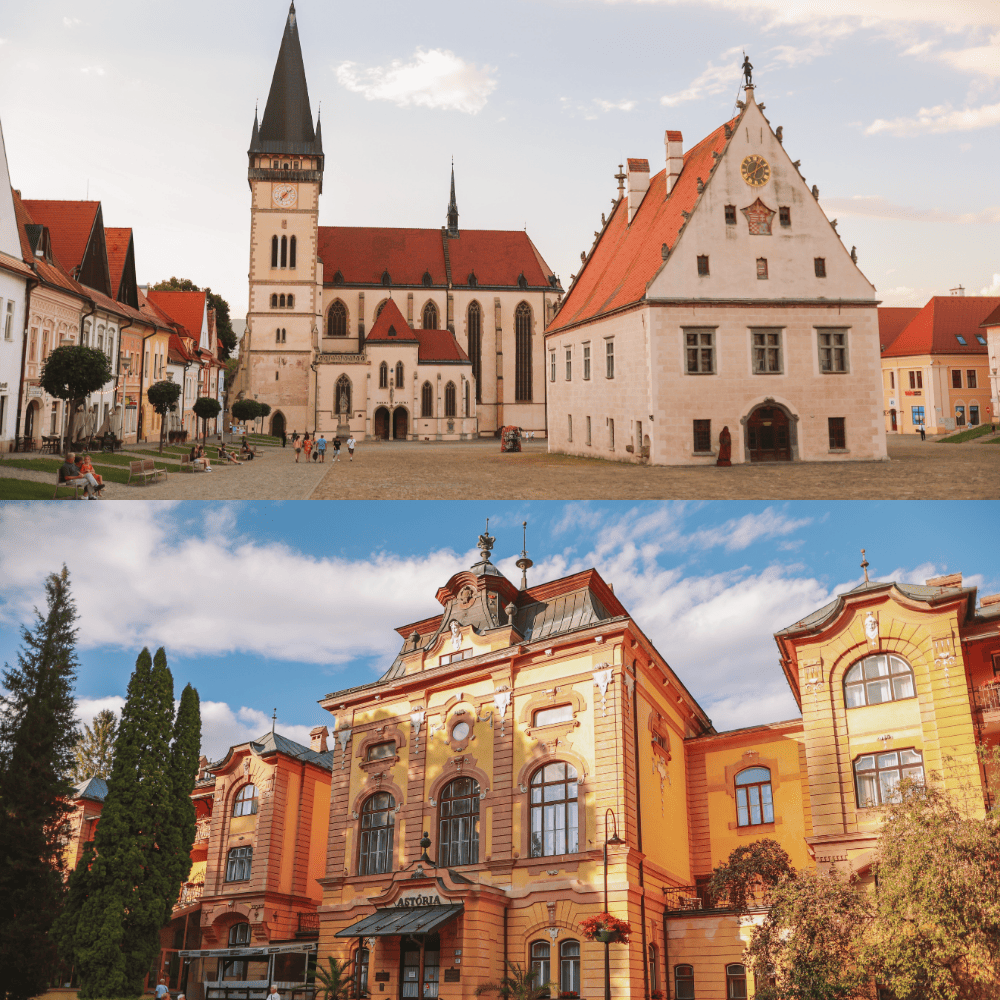
The historic centre of the town has retained its typical Lens-shaped Square and the remains of medieval fortifications. The most significant monument is the Gothic Church of St John the Baptist, whose high altar was crafted in the workshop of Master Pavol of Levoča. Other notable landmarks include the Renaissance bell tower, the former lyceum, Evangelical churches, a Greek Catholic church and an Orthodox church.
Sabinov was an important centre Education and Culture. A number of prominent figures from Slovak cultural life were active here, including Bohuš Nosák-Nezabudov and theatre professional Janka Borodáča.
During the Second World War, most of the local of the Jewish population deported to concentration camps. The town was liberated in January 1945.
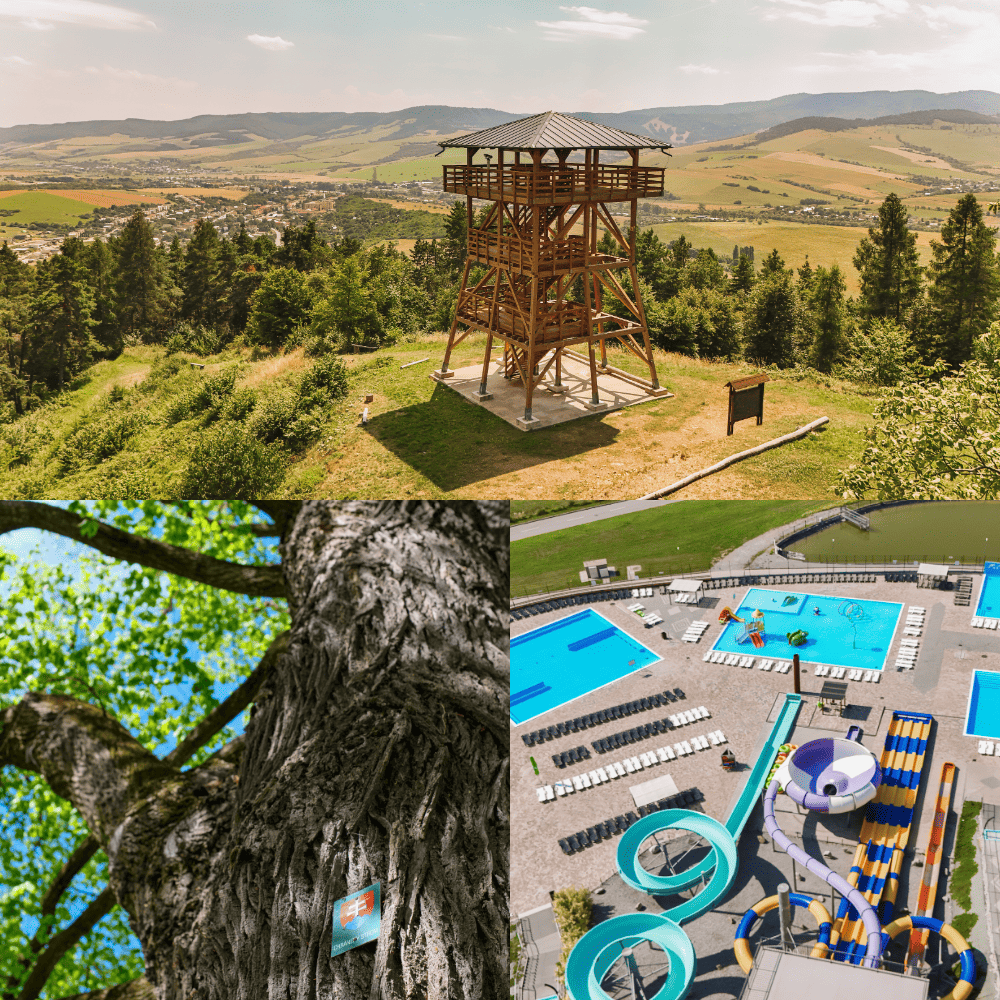
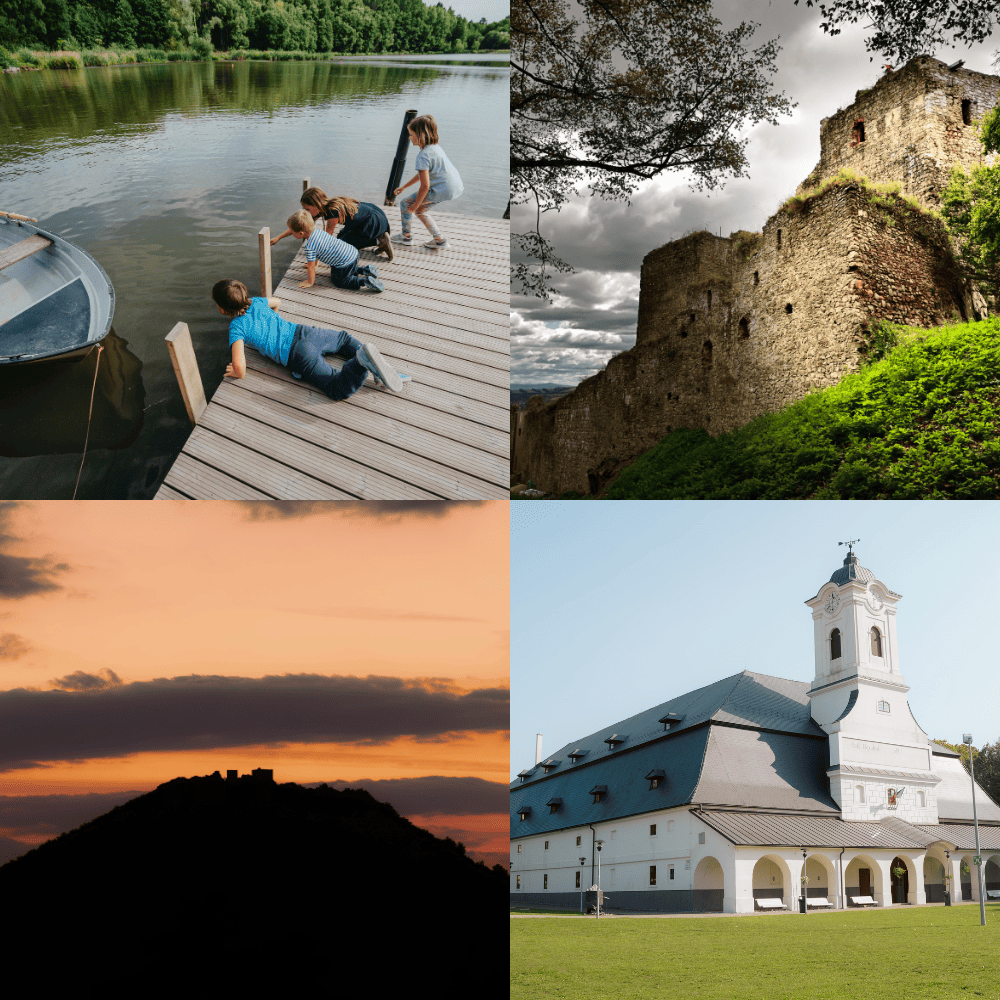
Today, Sabinov is a regional centre with a rich cultural life. Visitors are drawn to its historic centre and the forest park Švabľovka, the surrounding mountain ranges Čergov and Bachureň, ruins Hanigov Castle and a holiday resort Drienica – Lysá, which offers opportunities for both hiking and winter sports.