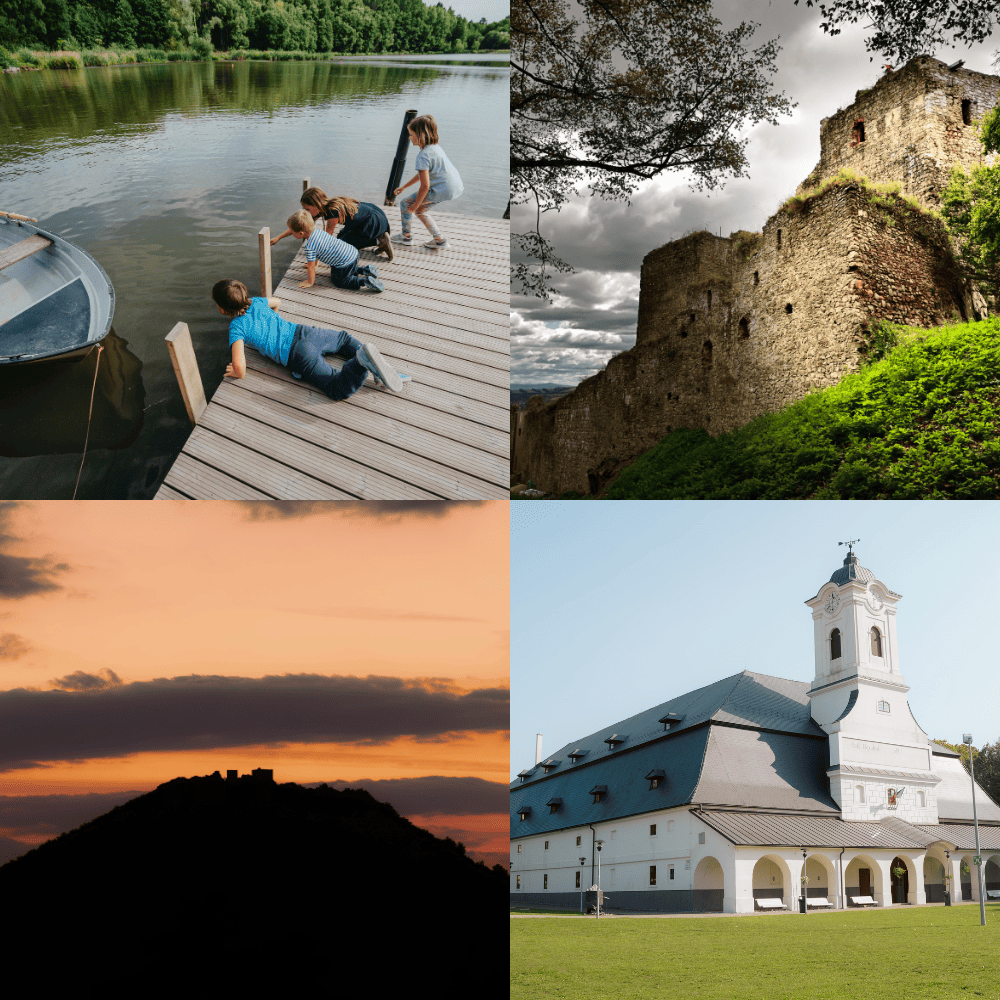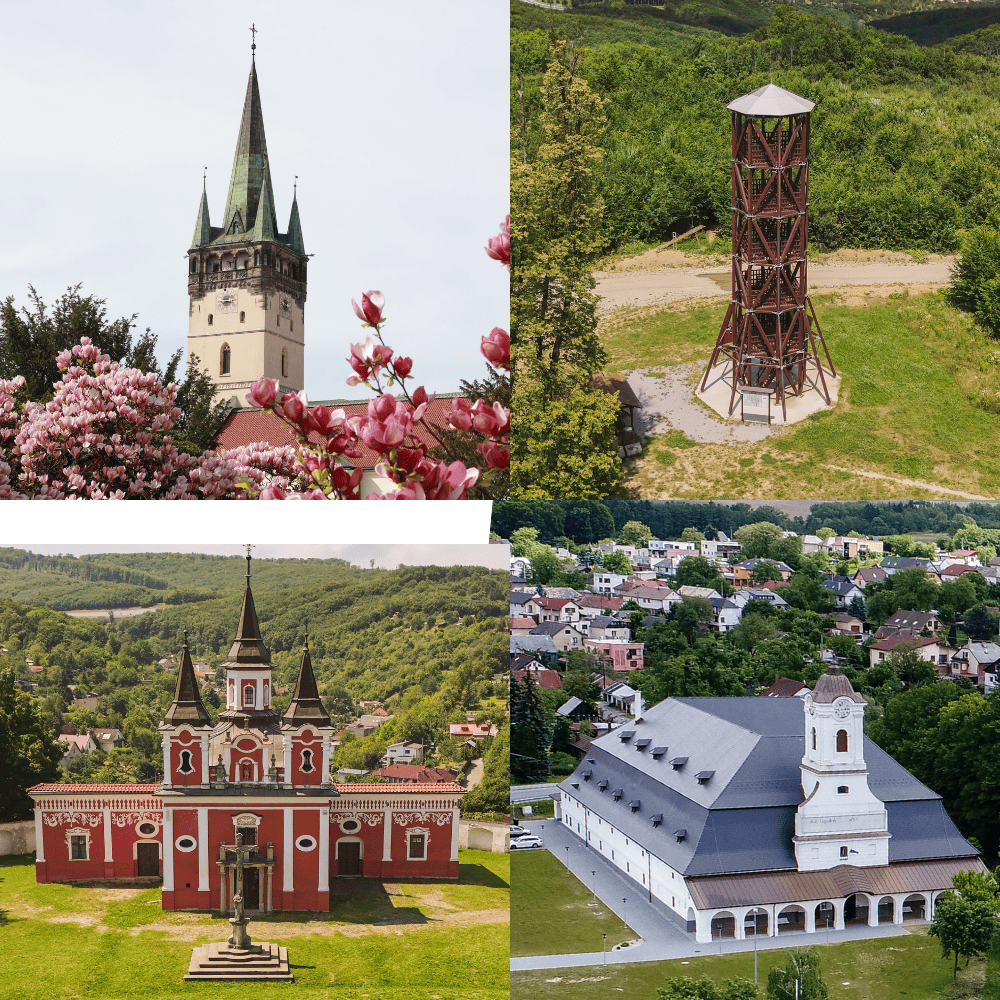


Kysak has, right from its inception, held a prominent at a geographical crossroads, in the area where the river Hornád changes the direction of its flow to the south. Its location also creates a natural link between the historical regions Šariš, Abov and Spiš.
The village is situated in a mountainous region Montenegro, which in the west connects to The Slovak Ore Mountains. It is bordered on the eastern side by The Košice Basin, from the north The Šariš Highlands and the mountain range to the north-west Branisko. Right at the heart of this rugged landscape lies Kysak – a place where, over the centuries, various cultural, dialectal and religious influences. Their interaction has shaped the distinctive character and unique features typical of this village.
The origins of the village Kysak can probably be dated to the period after 1289. In a document from that year, which records the division of property Petra from Drienov Among his five sons, the village is not yet mentioned directly. The eldest son Juraj However, among other things, he also acquired the territory that is now Kysak. Thanks to its favourable location on the River Hornád, this place became a popular settlement the gentlemen from Drienov, who have made a home here manor house. They spent more time there than at Drienov Castle, which served primarily as a defensive stronghold and did not offer the same level of comfort as the stately homes of the time.
Later, the Drienov family also built Kysacký Castle, the first written reference to which dates from 1423. However, following the extinction of the Drienov noble line, the castle gradually lost its importance. The new owners from Ploský and Žehne They had their own residences, so they did not take proper care of the Kysak castle estate. The castle subsequently fell into disrepair and its walls gradually collapsed.
The confluence of the Hornád and Svinka rivers It stands as a symbolic testament to the region’s rich and often dramatic past. It is linked to the history of a powerful family The Abov family, along with other landowners, during the reign of Matej Korvín, including troop movements and operations sparklers. The history of the village was also shaped by religious conflicts between Catholics and Protestants, the daily lives of rafters and local residents, and the pilgrimages of the faithful to sacred sites in Malej Vieske and Obišovce.
Following the construction of the railway, Kysak became an important railway junction, through which the history of an entire nation passed, both symbolically and literally. People travelled along the local railway lines monarchs, statesmen, presidents and ministers and troops from various armies moved along them. During the Second World War, convoys of persecuted people also passed through here Jews being sent to the Auschwitz-Birkenau concentration and extermination camp. The Kysace railway tracks thus bore witness to a period war and peace, dictatorship and freedom.